In the modern industrial landscape, ensuring the structural integrity of materials and components is the cornerstone of reliability. Whether you are manufacturing automotive parts or maintaining massive oil pipelines, you must verify that your assets can withstand their intended loads. This is where material testing comes into play.
To achieve the highest safety standards, engineers rely on two distinct approaches: destructive and non destructive testing. While their end goal—safety and quality—is the same, their methodologies represent two different philosophies of testing.
What is Destructive Testing?
Destructive testing (DT) is a process where a test sample is intentionally pushed to its limits until it fails, breaks, or deforms. The primary objective of destructive testing is to determine the physical limits of a material. By observing how a specimen reacts under extreme conditions, engineers can gather precise, quantitative data about its material properties.
Because destructive tests render the sample unusable, they are typically performed on a small percentage of a batch. This "sacrificial" testing provides the empirical evidence needed to certify that an entire production run meets the required specifications.
Common Types of Destructive Testing
There are several common types of destructive testing that help define the lifecycle of a product:
-
Tensile Testing: This is the most fundamental destructive method. During tensile testing, a specimen is pulled apart to measure its tensile strength, yield point, and how much it can stretch before snapping.
-
Impact Testing: To understand how a material handles sudden shocks, impact testing measures the energy absorbed during a high-speed fracture.
-
Hardness Testing: This testing method measures a material’s resistance to surface penetration. Standardized hardness testing (like Rockwell or Brinell) helps determine wear resistance and durability.
-
Compression Test: This involves squeezing a material—often concrete or ceramics—until it crushes, helping engineers understand load-bearing capacities.
What is Non Destructive Testing?
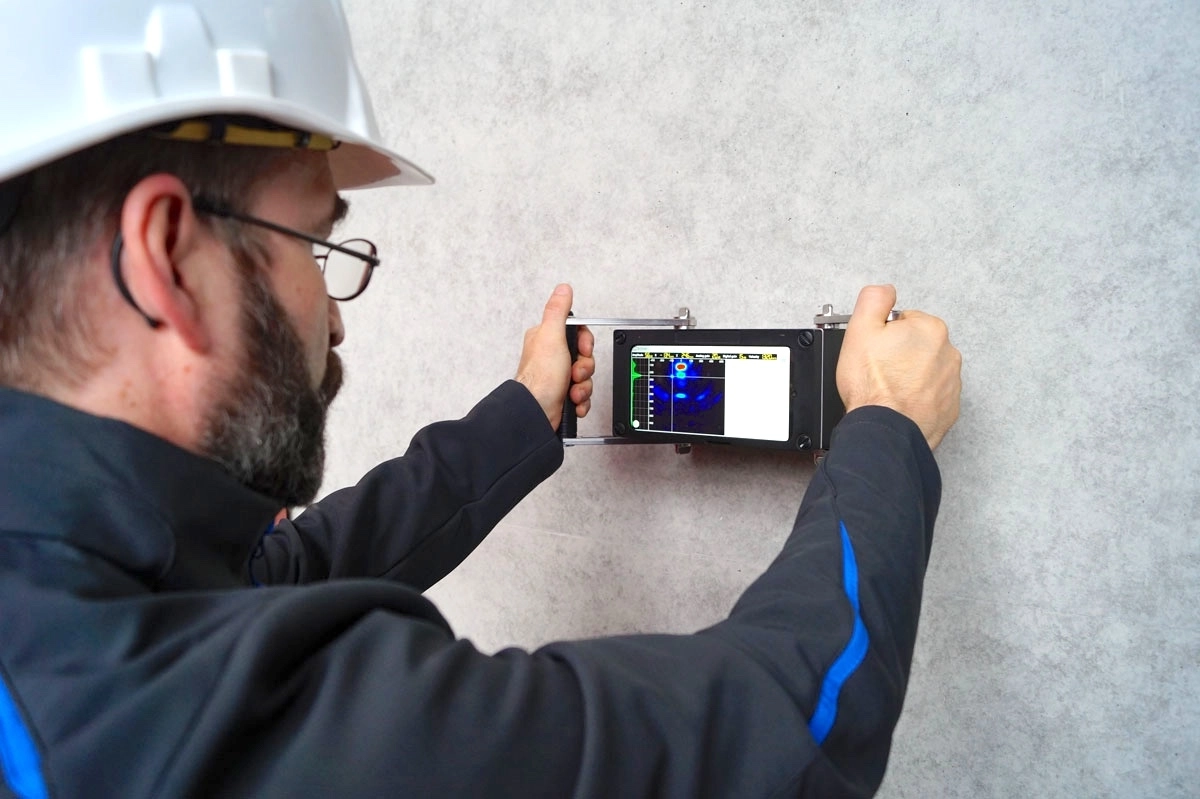
On the other side of the spectrum is non destructive testing (NDT). As the name suggests, this is a non-invasive approach that allows for the inspection of a part without causing any damage. Non destructive testing is essential when you need to inspect finished products or critical infrastructure that must remain in service after the test is complete.
The beauty of non destructive evaluation is that it can be applied to 100% of a production line, ensuring that every single component is free from internal defects.
Popular NDT Methods
Technological advancements have given us several sophisticated testing methods to look beneath the surface:
-
Ultrasonic Testing: By using high-frequency sound waves, ultrasonic testing can pinpoint internal cracks or thickness variations. It is a staple in the aerospace and oil industries.
-
Magnetic Particle Testing: Used on ferromagnetic metals, magnetic particle testing utilizes magnetic particles to reveal surface and near-surface discontinuities. If a flaw exists, the particles cluster at the site, making it visible.
-
Acoustic Emission Testing: This method "listens" to the material. Acoustic emission testing detects the bursts of energy released when a material undergoes internal deformation or crack growth.
-
Visual Inspection: This is the most common form of non destructive assessment. A simple visual inspection, often aided by borescopes or magnifying tools, can catch obvious surface flaws and corrosion.
-
Dye Penetrant Testing: Often called liquid penetrant testing, this method involves applying a dye penetrant to a surface. The dye seeps into cracks, and a developer is used to make these hidden flaws highly visible.
Comparing the Benefits and Limitations of DT and NDT
Understanding the difference between these two paths is vital for cost-effective quality control.
Destructive testing is unmatched when you need exact numbers. If you need to know the precise tensile strength at which a bolt will snap, DT is your only option. However, the obvious downside is the loss of the test subject. This makes it expensive for high-value items and impossible for monitoring structures like bridges while they are in use.
Non destructive testing, conversely, is the king of maintenance and final quality checks. It allows for continuous monitoring and ensures that structural integrity is maintained over years of service. While NDT often requires more specialized equipment and highly trained technicians to interpret the results, the ability to keep the part in service usually outweighs the cost.
Practical Applications of DT and NDT Across Industries
In the automotive sector, destructive testing is used in crash simulations to see how a car body crumples. Meanwhile, NDT ensures that the welds on those same cars are perfect before they leave the factory.
In the energy sector, specifically oil and gas, non destructive methods are used to scan thousands of miles of pipeline for corrosion. In contrast, during the construction of these pipelines, samples of the steel undergo tensile testing and impact testing to ensure the metal can handle extreme conditions such as high pressure or sub-zero temperatures.
Choosing the Right Testing Method
Choosing the right test depends on your goals. If you are in the research and development phase and need to establish the baseline limits of a new alloy, destructive testing is mandatory. You have to break things to know how to build them stronger.
If you are performing routine maintenance or verifying the quality of a high-cost component, non destructive methods are the way to go. Most robust quality programs use a combination of both testing methods to create a comprehensive safety profile.
Conclusion
In summary, destructive and non destructive testing are two halves of the same whole. While destructive methods provide the "hard data" on material failure, non destructive techniques provide the peace of mind that an active component is still fit for use. By balancing these methods, companies can ensure they meet all safety standards while maintaining efficiency and reducing waste.
