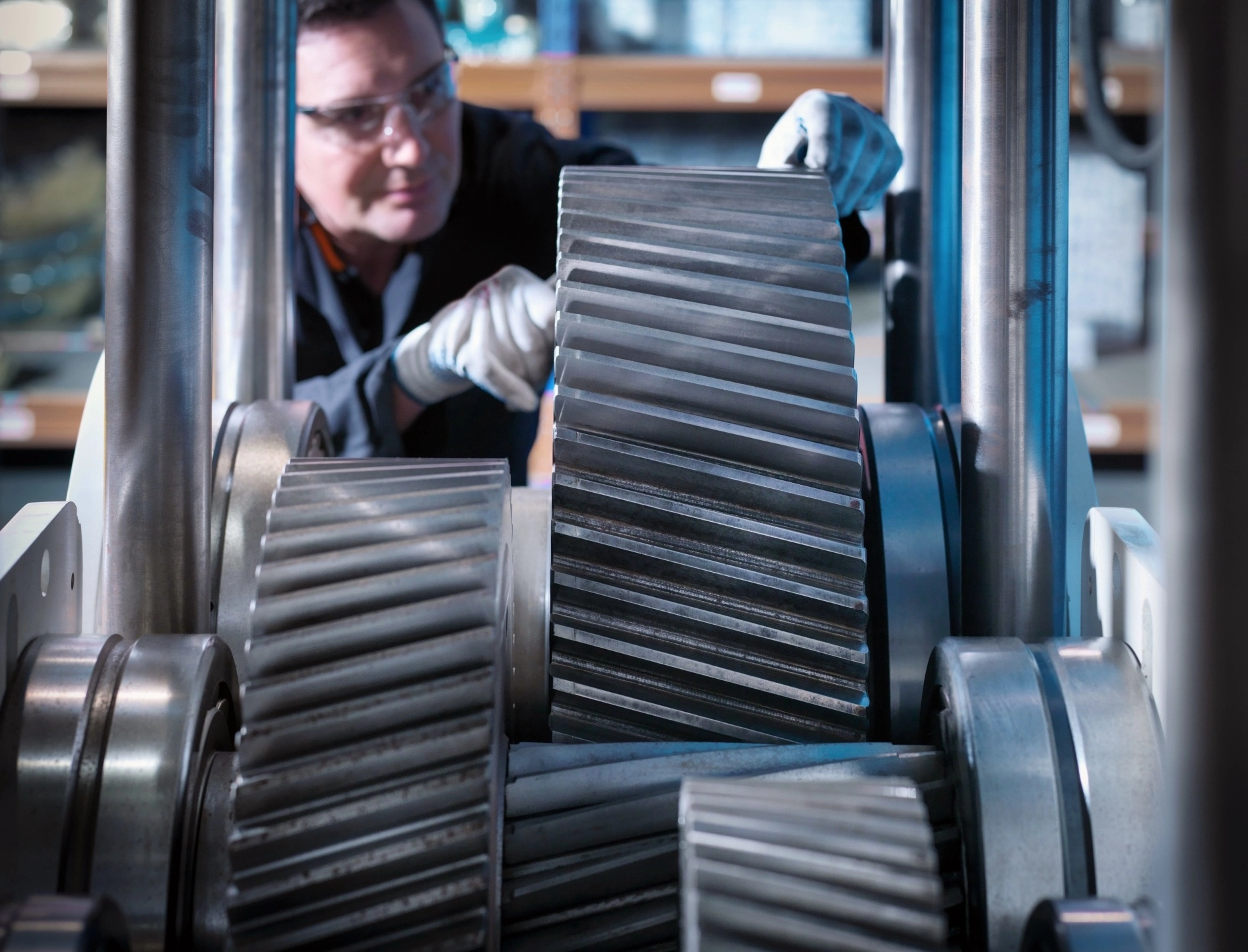
Combined hardness testers integrate UCI and Leeb methods into a single portable hardness testing machine. This dual-technology approach allows you to inspect everything from 1 mm thin-walled parts to massive, coarse-grained castings using one device. By switching between ultrasonic and rebound sensors, you eliminate the need for multiple instruments on-site.
Key Advantages
- Universal Application: Handles polished surfaces, delicate welds, and heavy forgings with equal precision.
- Workflow Efficiency: A single interface manages data from both sensors, simplifying calibration and reporting.
- Cost-Effective: Lowering the overall portable hardness tester price for your facility by replacing two separate tools.
Professional Grade Durability
Every combined unit features a rugged housing designed for field use and supports instant conversion between HRC, HB, and HV scales. These instruments ensure total versatility for complex inspection projects where material thickness and mass vary.
Contact our engineers for a technical consultation to find the best configuration for your specific metal types.
Essential NDT Accessories for Precise Material Inspection
The accuracy of structural diagnostics depends not only on the main testing unit but also on the quality of the supporting components. Specialized NDT accessories ensure that signals remain clear, measurements stay consistent, and equipment remains functional in challenging field conditions. From signal transmission to sensor protection, these auxiliary items are vital for maintaining the high standards required in professional non-destructive testing.
The Role of High-Quality Components
Every inspection starts with a stable connection. Cables and connectors are critical accessories for non-destructive equipment, as they carry the raw data from the transducer to the processing unit. Any interference or signal loss in the wiring can lead to incorrect data interpretation. Using industrial-grade shielded cables prevents electromagnetic noise from distorting the results, which is especially important on busy construction sites with heavy machinery.
Another fundamental component is the ultrasonic couplant. This substance removes the air gap between the sensor and the concrete surface, allowing sound waves to pass freely into the material. Without proper coupling, the majority of the ultrasonic energy would reflect off the surface, making it impossible to see internal defects.
Optimizing Workflow with Specialized Tools
Reliable ndt accessories also include hardware that simplifies data collection and improves safety. For instance, telescopic handles and sensor holders allow technicians to inspect hard-to-reach areas like bridge soffits or high columns without the immediate need for scaffolding.
Key categories of auxiliary equipment include:
-
Specialized transducers for different material thicknesses and aggregate sizes.
-
Calibration blocks to verify the accuracy of ultrasonic velocity meters.
-
Protective cases and impact-resistant housings for field use.
Maintaining Equipment Longevity
Investing in high-grade accessories for non-destructive equipment directly impacts the lifespan of the primary instruments. Protective films for sensor faces prevent abrasion when scanning rough concrete surfaces, while high-quality cleaning kits ensure that connectors remain free of dust and corrosion.
By selecting the correct ndt accessories, engineers can ensure that their diagnostic systems perform at peak efficiency. Whether it is a simple couplant or a complex multi-sensor array cable, each part plays a specific role in the delivery of accurate, repeatable, and reliable structural data.
Accessories for Combined hardness testers
To maintain the high precision of your dual-method equipment, it is essential to use components designed specifically for hybrid systems. Since combined units handle a wider range of testing scenarios than standard instruments, the right hardware ensures stable measurements regardless of the surface geometry or material mass.
High-quality accessories help you fully utilize both combined technologies while protecting sensitive sensors from premature wear in harsh industrial environments. Using verified hardware also simplifies daily equipment checks, ensuring your data remains compliant with international standards throughout the entire project.