Critical Applications for UCI Technology
This method is indispensable when you cannot use traditional impact testers. Industry professionals rely on UCI for specific technical tasks:
-
Hardened Layers: Measuring the depth and quality of nitrided or carburized surfaces where the hard shell is very thin.
-
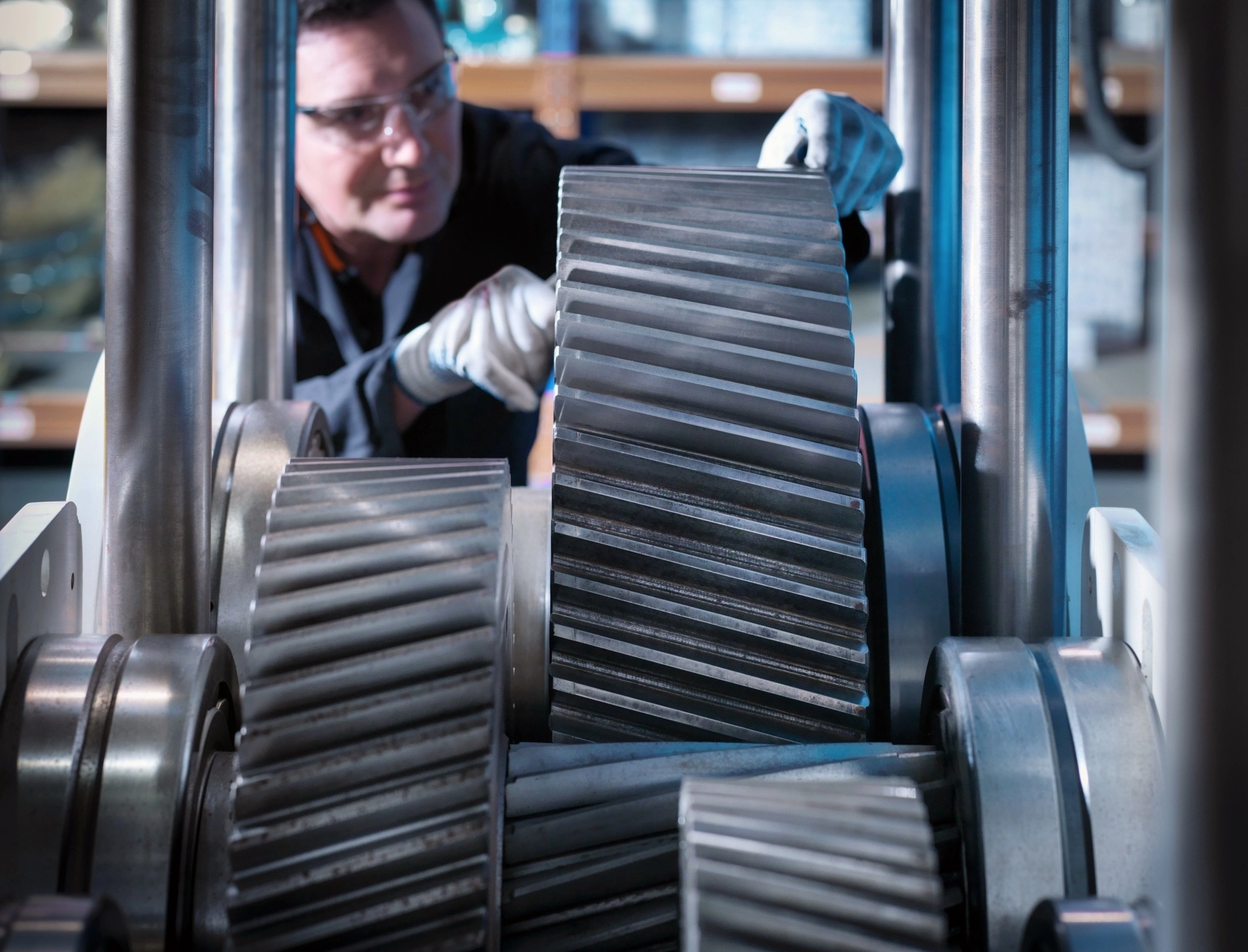
Complex Shapes: Checking hardness on gear teeth flanks, narrow grooves, or curved surfaces of molds and dies.
Sensitive Components: Testing finished products where a large indentation from a standard tester would ruin the part's integrity.
Professional Accuracy in the Field
Modern UCI testers deliver laboratory precision without requiring you to cut samples or transport parts. Most models support instant conversion between HRC, HB, and HV scales directly on the digital screen. Because the probe is small and hand-held, you can perform measurements at any angle, even overhead or in cramped internal compartments of large machinery.
Our team can help you select the right equipment to ensure your quality control remains fast and non-destructive.
Essential NDT Accessories for Precise Material Inspection
The accuracy of structural diagnostics depends not only on the main testing unit but also on the quality of the supporting components. Specialized NDT accessories ensure that signals remain clear, measurements stay consistent, and equipment remains functional in challenging field conditions. From signal transmission to sensor protection, these auxiliary items are vital for maintaining the high standards required in professional non-destructive testing.
The Role of High-Quality Components
Every inspection starts with a stable connection. Cables and connectors are critical accessories for non-destructive equipment, as they carry the raw data from the transducer to the processing unit. Any interference or signal loss in the wiring can lead to incorrect data interpretation. Using industrial-grade shielded cables prevents electromagnetic noise from distorting the results, which is especially important on busy construction sites with heavy machinery.
Another fundamental component is the ultrasonic couplant. This substance removes the air gap between the sensor and the concrete surface, allowing sound waves to pass freely into the material. Without proper coupling, the majority of the ultrasonic energy would reflect off the surface, making it impossible to see internal defects.
Optimizing Workflow with Specialized Tools
Reliable ndt accessories also include hardware that simplifies data collection and improves safety. For instance, telescopic handles and sensor holders allow technicians to inspect hard-to-reach areas like bridge soffits or high columns without the immediate need for scaffolding.
Key categories of auxiliary equipment include:
-
Specialized transducers for different material thicknesses and aggregate sizes.
-
Calibration blocks to verify the accuracy of ultrasonic velocity meters.
-
Protective cases and impact-resistant housings for field use.
Maintaining Equipment Longevity
Investing in high-grade accessories for non-destructive equipment directly impacts the lifespan of the primary instruments. Protective films for sensor faces prevent abrasion when scanning rough concrete surfaces, while high-quality cleaning kits ensure that connectors remain free of dust and corrosion.
By selecting the correct ndt accessories, engineers can ensure that their diagnostic systems perform at peak efficiency. Whether it is a simple couplant or a complex multi-sensor array cable, each part plays a specific role in the delivery of accurate, repeatable, and reliable structural data.
Accessories for UCI hardness testers
The right accessories extend the versatility of your equipment for complex industrial applications. Our range of specialized probes and adapters ensures stable, repeatable measurements on various surface types and geometries.
Probes and Positioning
To get reliable data, the probe must match the specific mass and hardness of your material. We offer a variety of sensors with different loads and tip designs:
- Application-Specific Probes: High-load sensors for rough surfaces and low-load versions for delicate, thin-walled, or polished parts.
- Support Adapters: Specialized guides and flat/curved bases that stabilize the probe, reducing operator error on complex shapes.